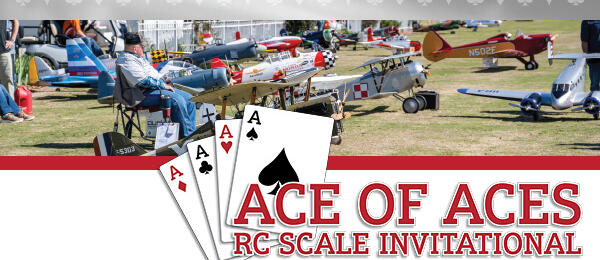
Inaugural event brings the best-of-the-best Scale pilots to Triple Tree Aerodrome
By David Hart — [email protected]
Photos by the author
As seen in the September 2026 issue of Model Aviation.
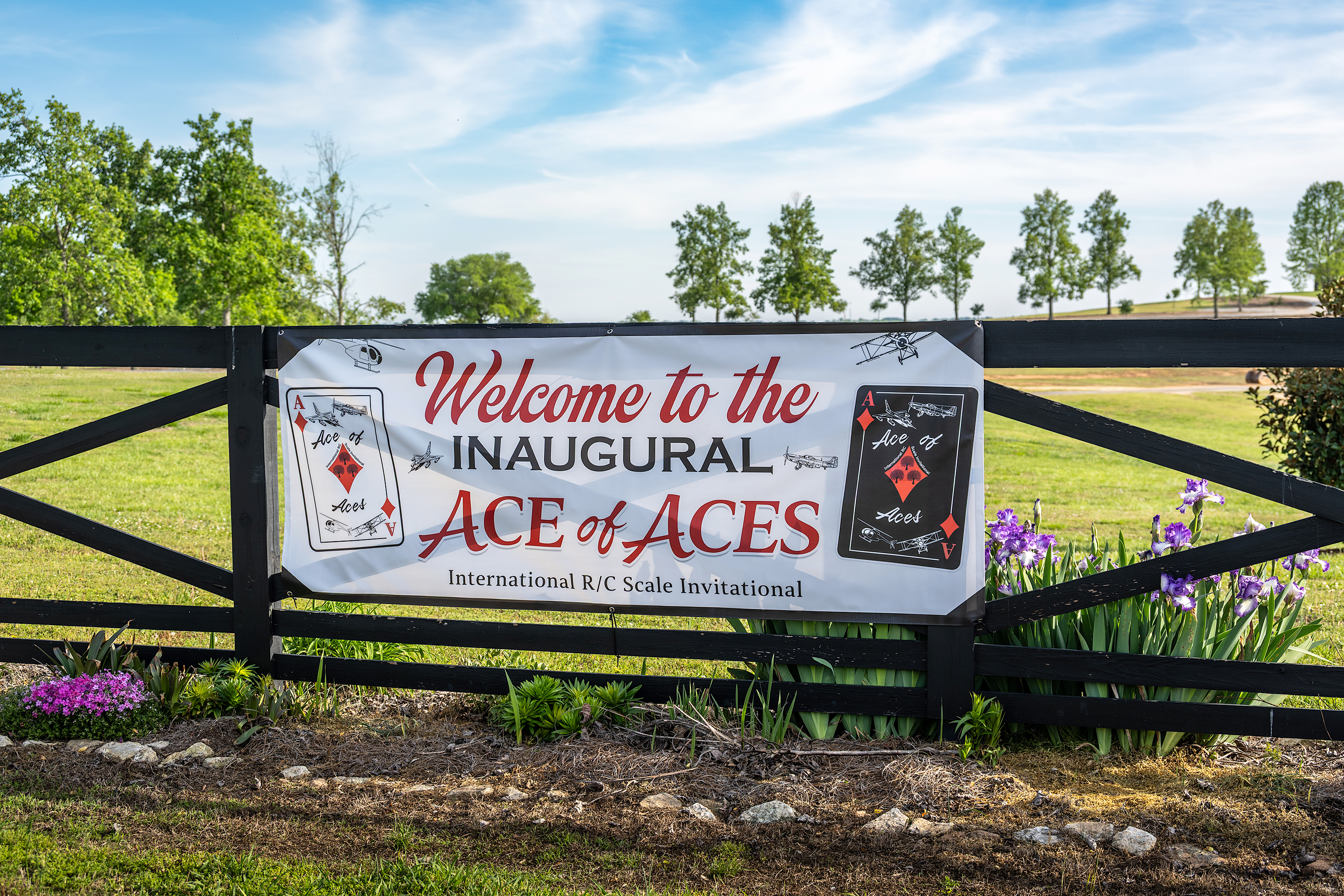
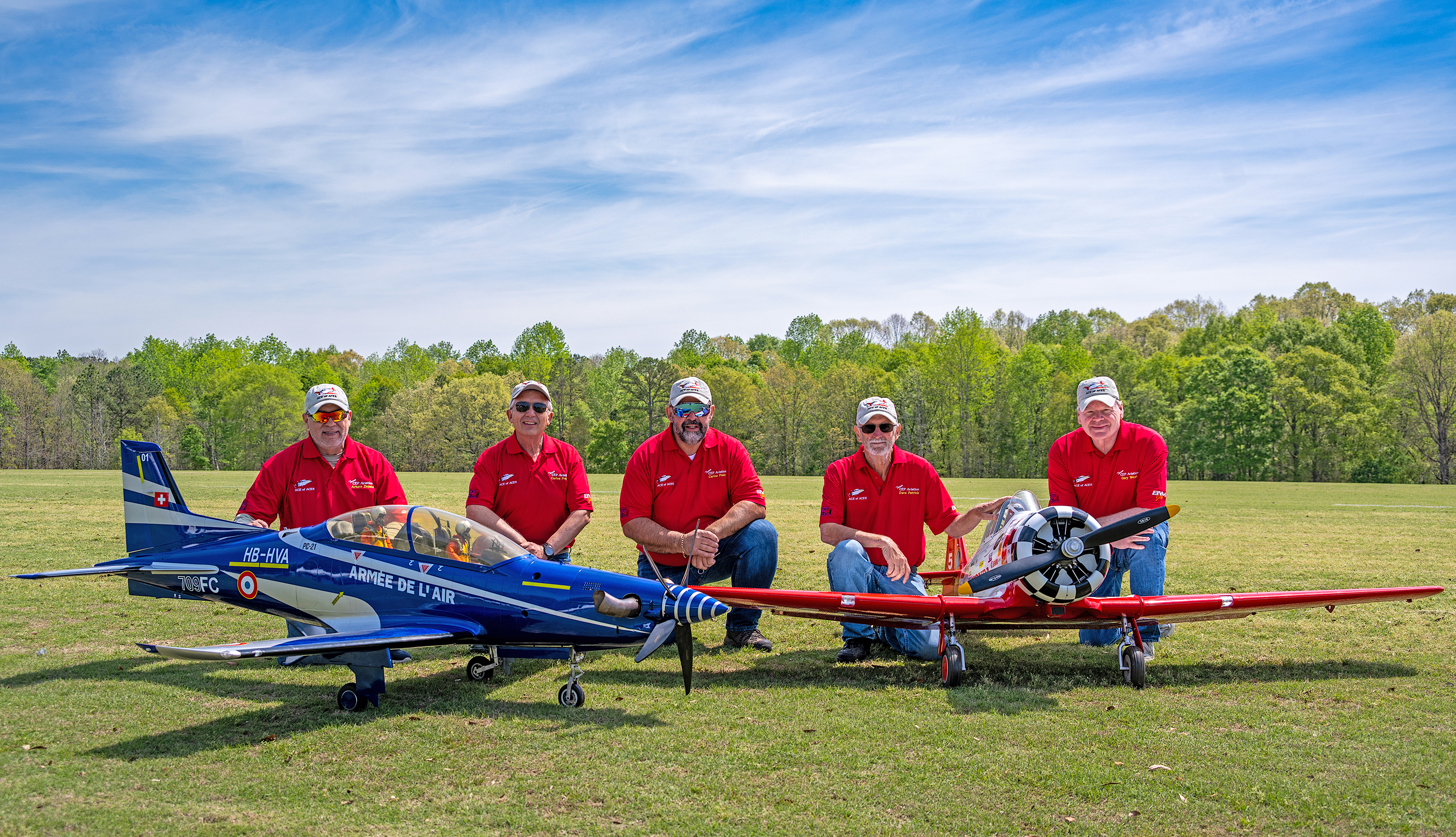
The Ace of Aces RC Scale Invitational is a new Scale competition that was created by Curtis Switzer and Marvin Alvarez. The inaugural event was held April 8-12 at Triple Tree Aerodrome in Woodruff, South Carolina. Ace of Aces represented a new beginning while carrying the spirit of something many of us thought could never truly be replaced: the Top Gun Invitational Scale competition that was created by Frank Tiano.
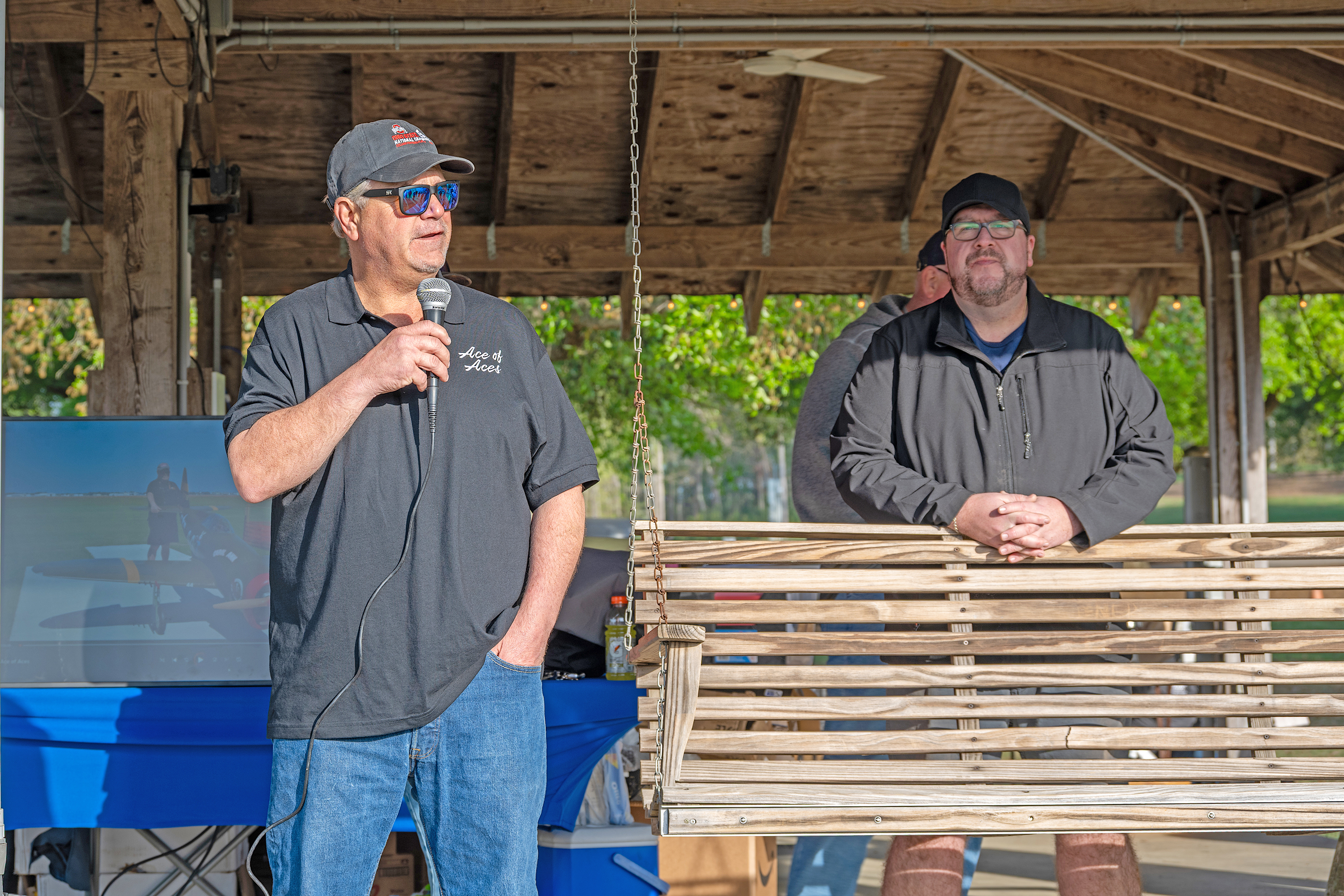
The last Top Gun Invitational was held in 2023. I covered the competition for 13 years and have missed seeing all of the friends I made there. To say I was excited to cover this new competition and see some of those friends is an understatement.
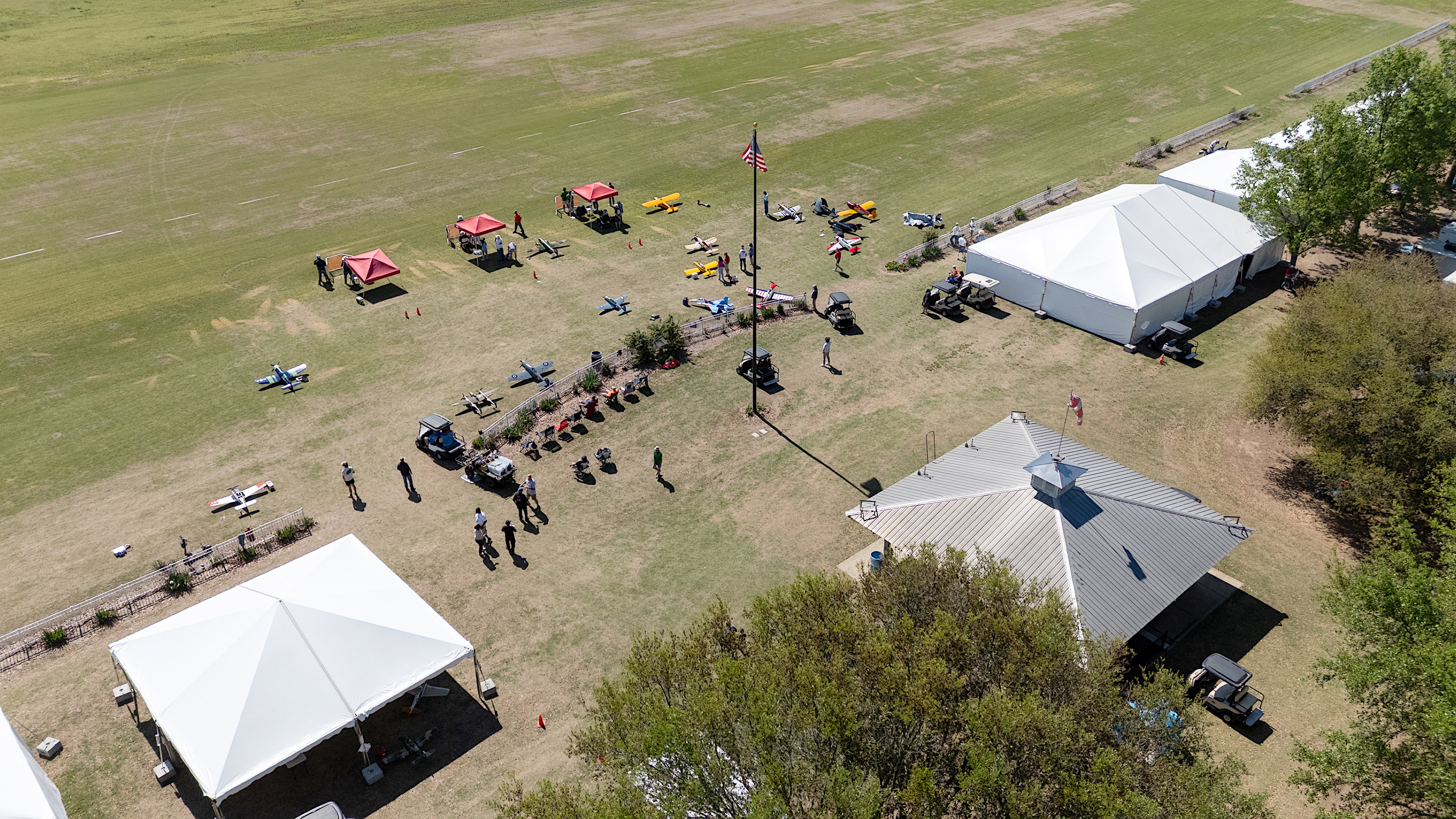
For those who have never experienced Triple Tree Aerodrome, it is difficult to properly describe. Nestled in the rolling countryside of Woodruff, Triple Tree has become one of the most iconic flying sites in the world with its beautifully manicured grounds, massive runway, camping areas, and world-class facilities. Simply driving through the gate is enough to make any aviation enthusiast smile.
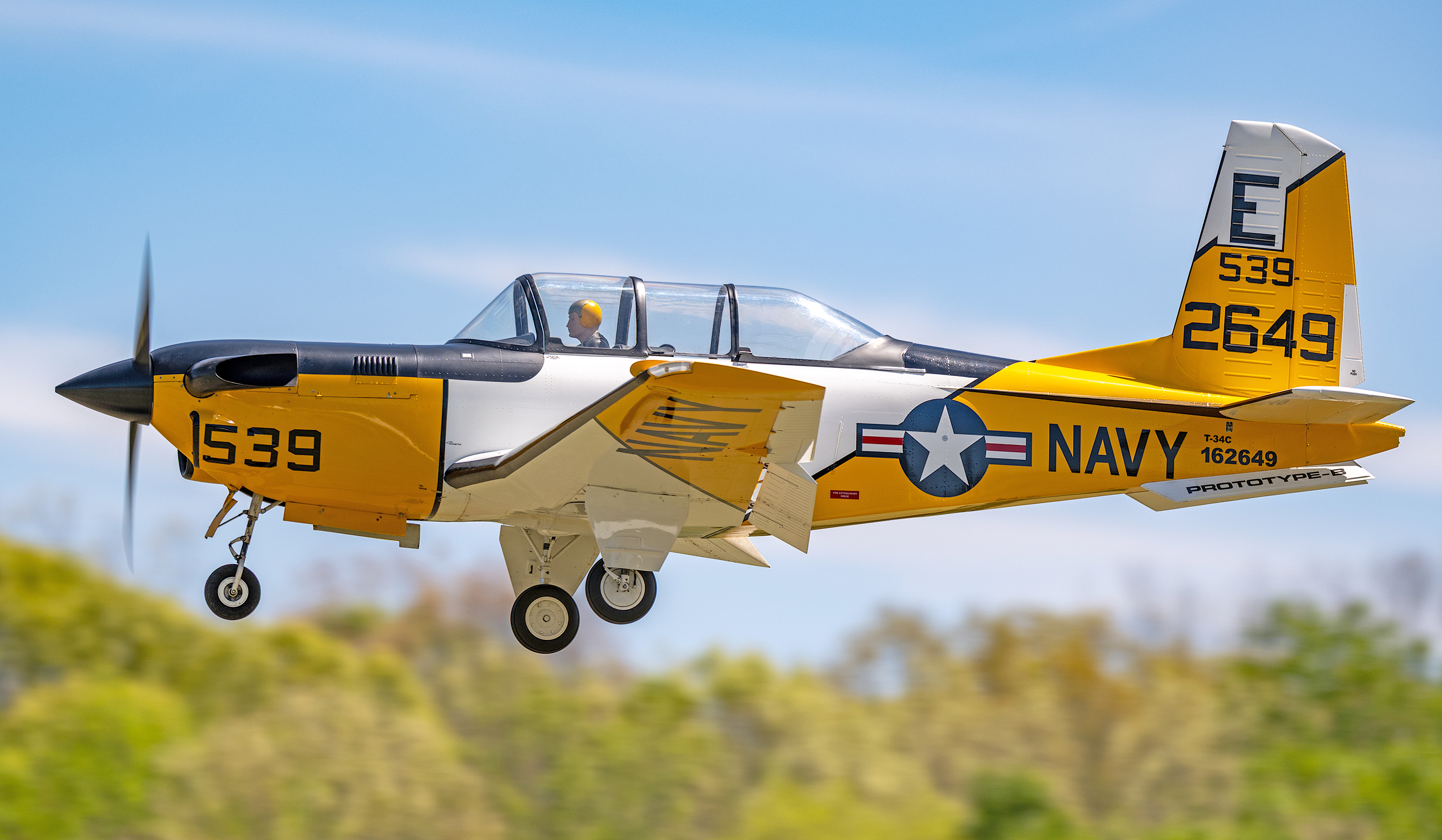
This was my first time at Triple Tree, and I was not disappointed. The weather could not have been better. Day after day, we were greeted with bright sunshine, light wind straight down the runway, and big white clouds hanging against a deep blue sky.
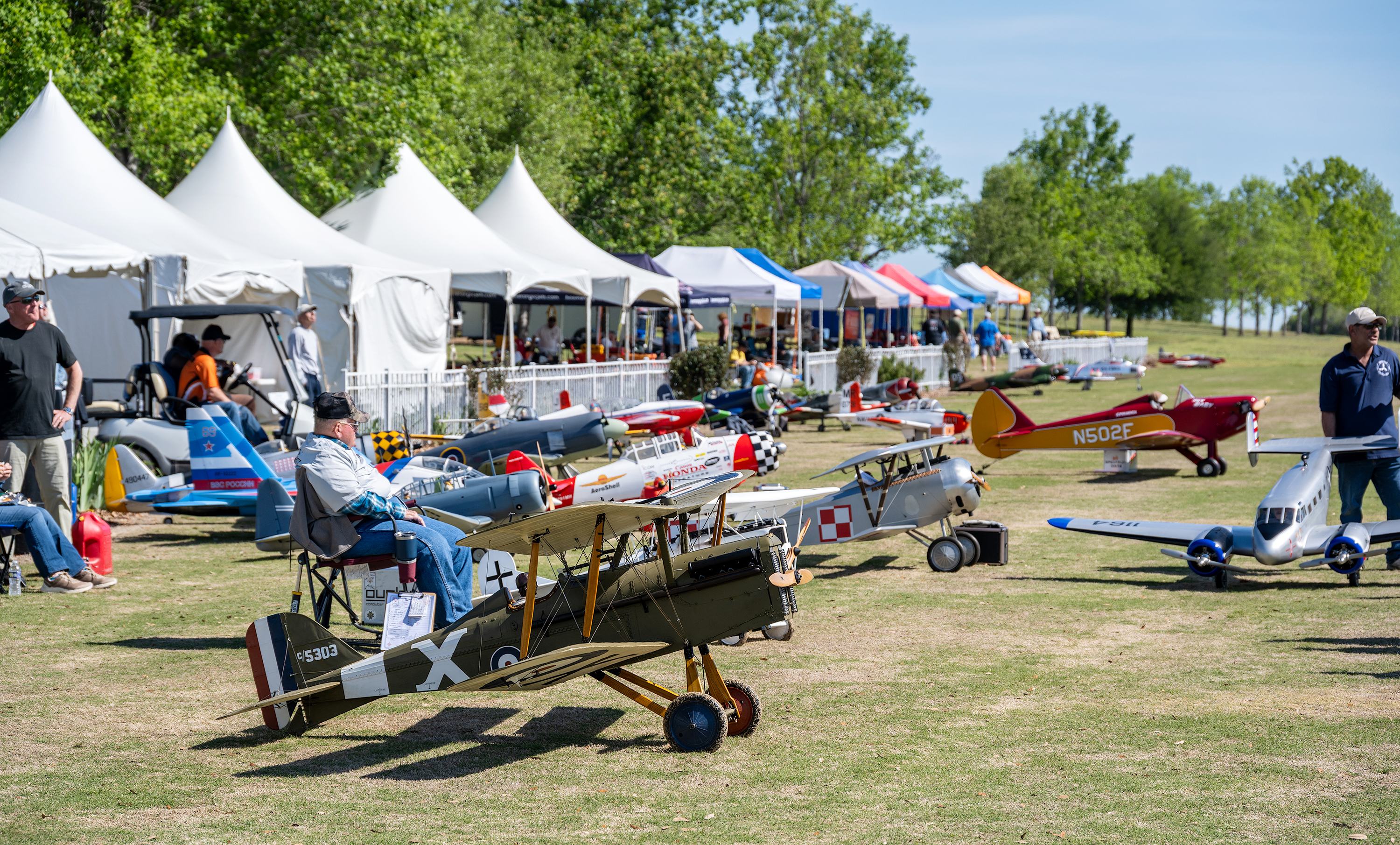
Before the official start of Ace of Aces, the event was already alive with activity. Pilots arrived early to set up camp, assemble aircraft, and begin their practice flights. Everywhere you looked, some of the finest Scale airplanes in the world were being carefully pieced together. As practice flights filled the sky, spectators and pilots alike were treated to an incredible variety of aircraft—everything from Golden Age airplanes and World War I warbirds to modern military jets lined the flightline. Walking through the pits felt like strolling through a living aviation museum.
The flying officially began on Wednesday with the Pro Prop and Pro Jet classes. In these categories, competitors are judged strictly on their flying performance. Pilots must provide proof that the full-scale aircraft existed, and then perform a 10-maneuver routine that is designed to demonstrate realism and precision.
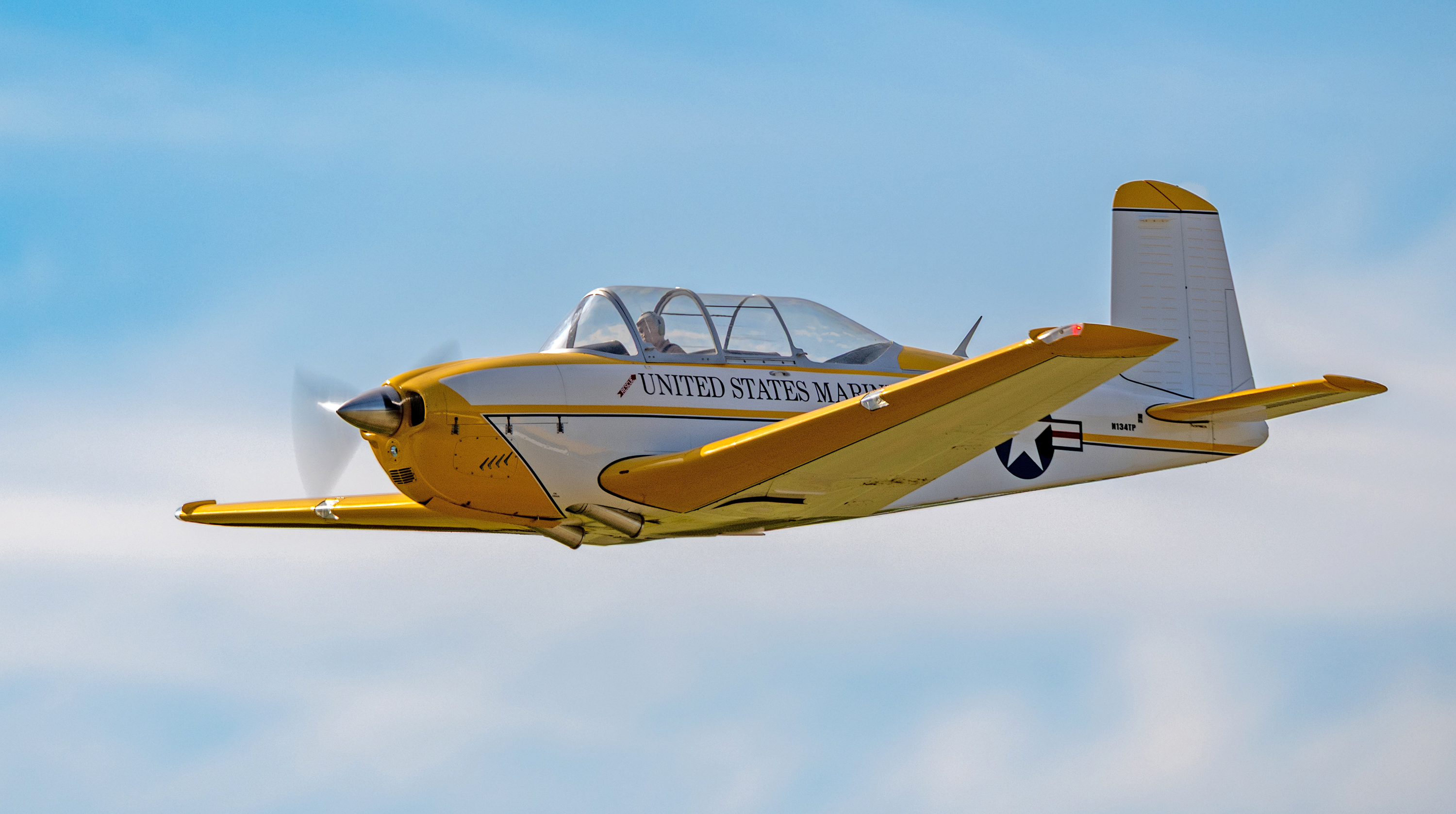
Thursday marked the beginning of the Expert and Unlimited classes, which included static judging in addition to the flight competition. Static judging is where competitors present detailed documentation of the full-scale aircraft to a panel of judges, who carefully evaluate the model’s craftsmanship, color accuracy, markings, outline, and overall realism.
The Expert class requires competitors to build the aircraft themselves, either from a kit or completely from scratch. Unlimited competitors, however, may use professionally built aircraft, although the airplane is still judged to the same demanding static standards.
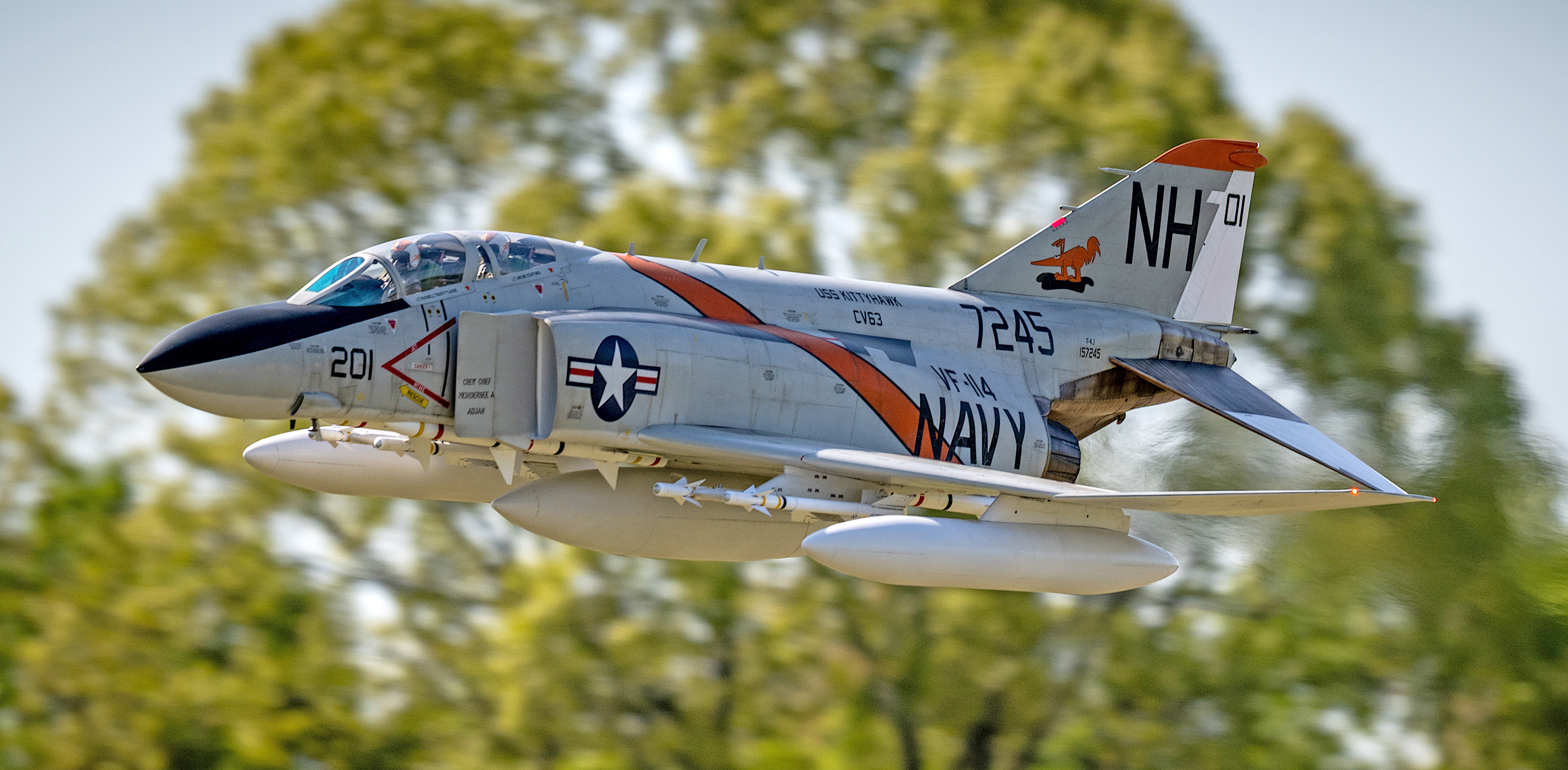
An EDF class was also flown on Wednesday and Thursday.
For the flying portion, five maneuvers are mandatory for every competitor: the takeoff, a fast flyby, a slow flyby, the landing, and overall realism in flight. The remaining five maneuvers are selected by the pilot from the Ace of Aces maneuvers list.
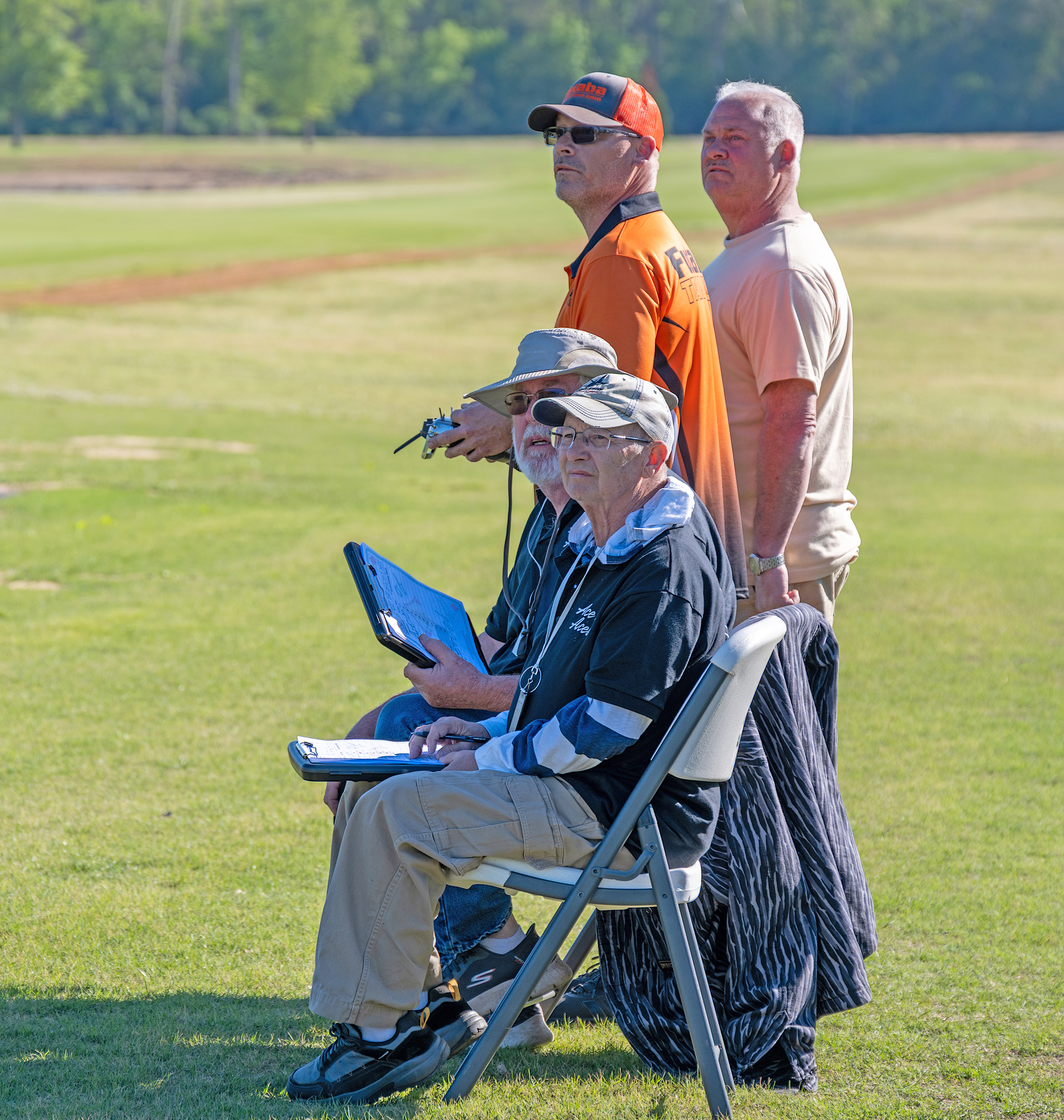
Choosing the right maneuvers becomes an important strategic decision because competitors want routines that best represent the capabilities and personality of their aircraft. Each pilot was assisted by a spotter, whose responsibilities included watching for nearby aircraft and calling out the next maneuver in the sequence. To an outside observer, the sky might have looked chaotic at times, but in reality, the entire operation was remarkably organized and professional.
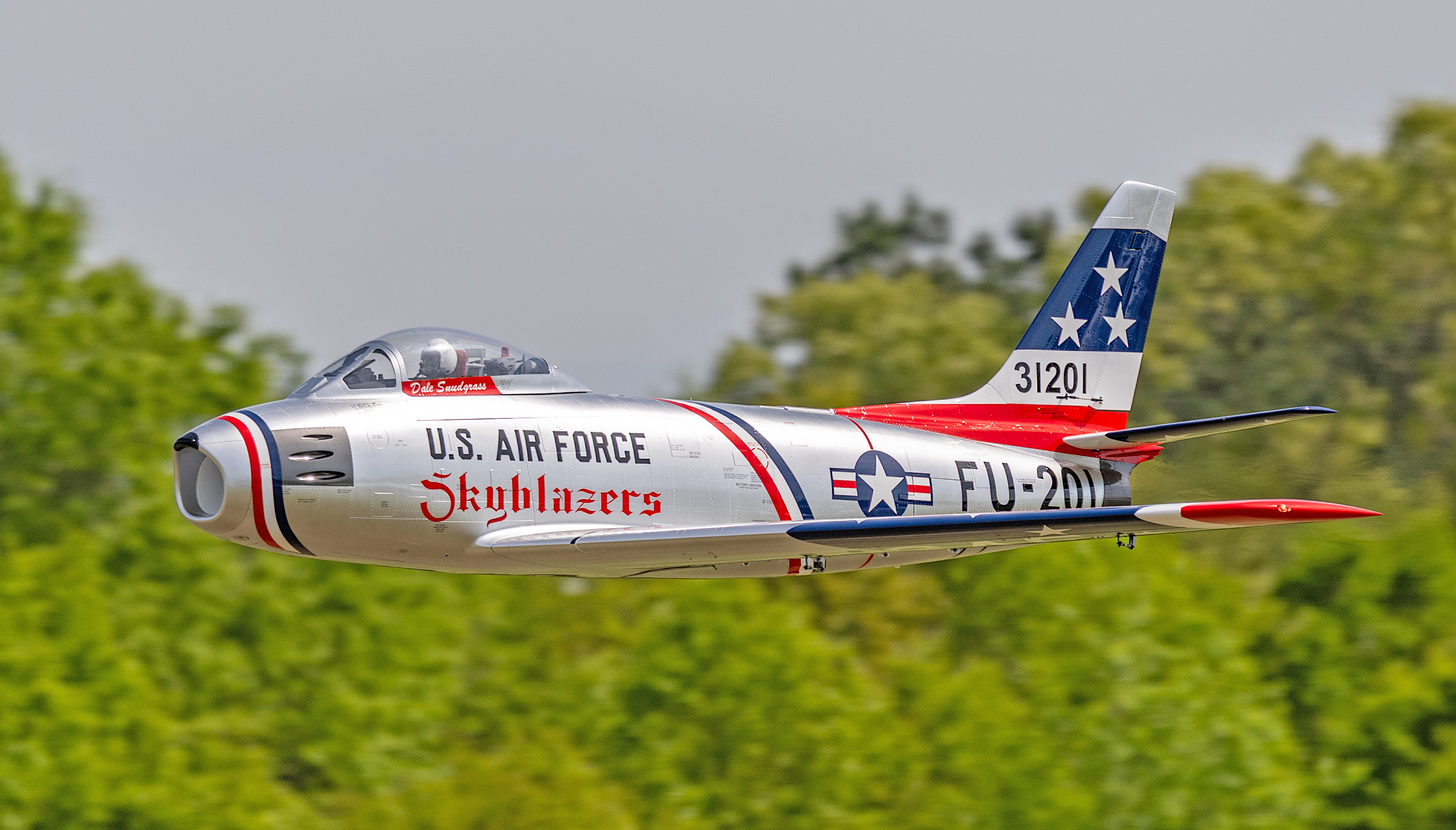
Throughout the event, all three flightlines remained busy from morning until late afternoon. Despite the constant activity, the operation ran smoothly thanks to careful coordination and a strong emphasis on safety. Marvin did an outstanding job overseeing the flightline operations, ensuring that pilots, callers, and spotters worked together efficiently and safely at all times.
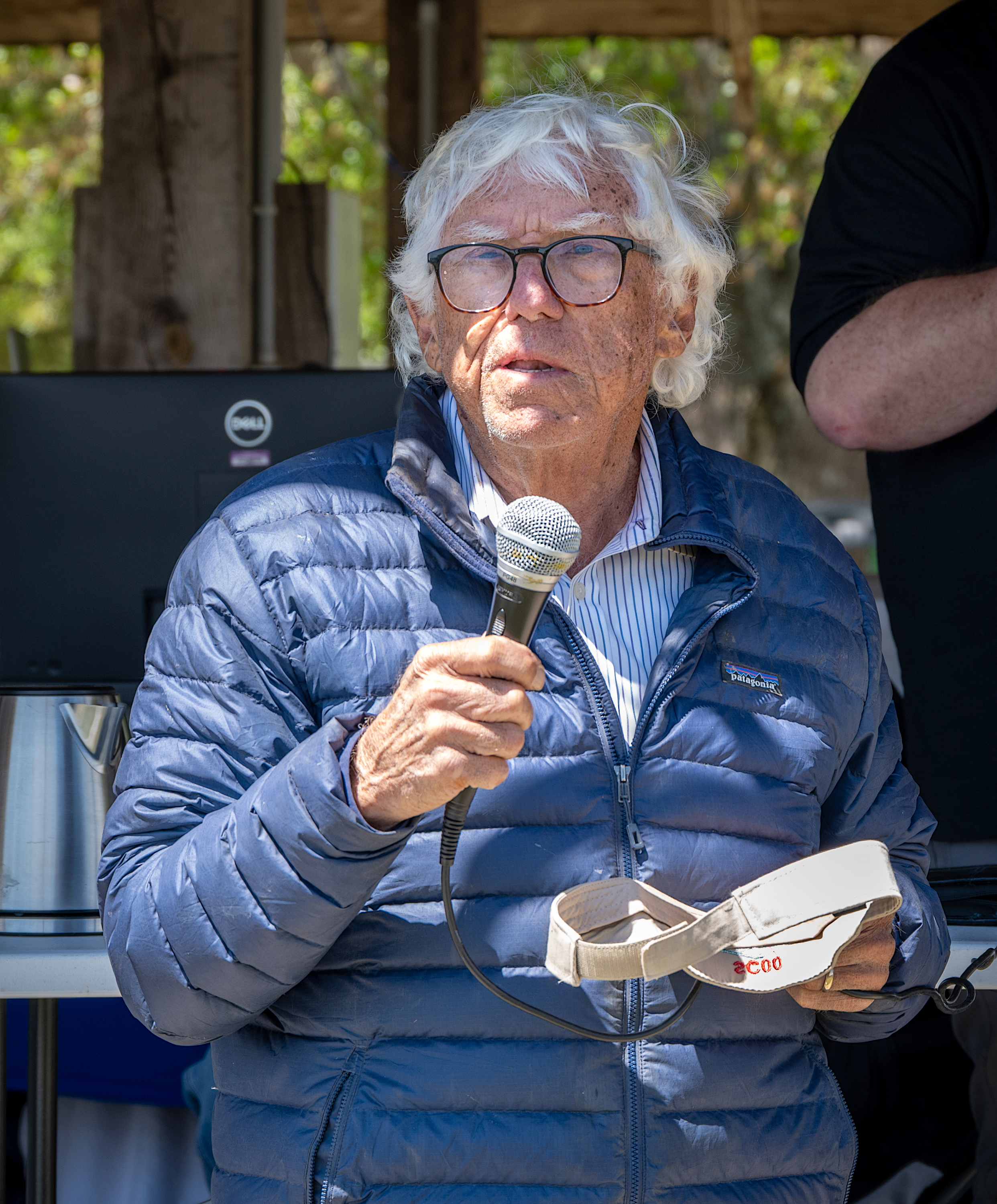
One of the competitors, PJ Ash, was also the announcer for the event. He did a great job describing the aircraft that were being flown, the history of those aircraft, who the builder was, and who the pilots were during their flights.
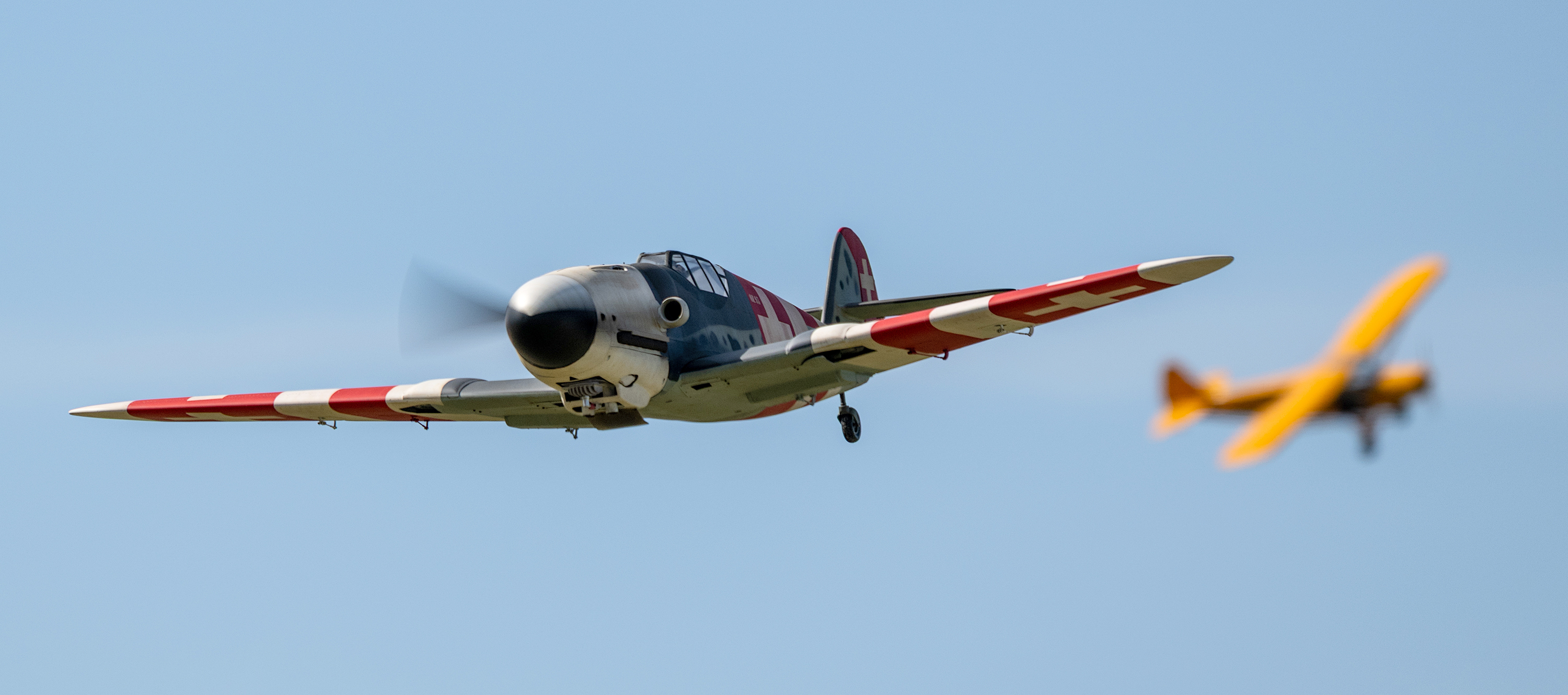
Behind the scenes, Curtis, who served as the contest director (CD), seemed to be everywhere at once. From organizing pilot packs and event shirts to helping coordinate countless details throughout the week, he worked tirelessly to keep the event running smoothly. Thanks also go to Billy Freeland for spending hours every day behind the computer screen, keeping scores for the classes.
All of the hard work and dedication of those who were involved to make this event run smoothly played a major role in the inaugural Ace of Aces being such a success.
That spirit of friendship, sportsmanship, and mutual respect could be felt everywhere throughout the week, and it became very clear early on that Ace of Aces was off to an incredible start.
Pilot Spotlight
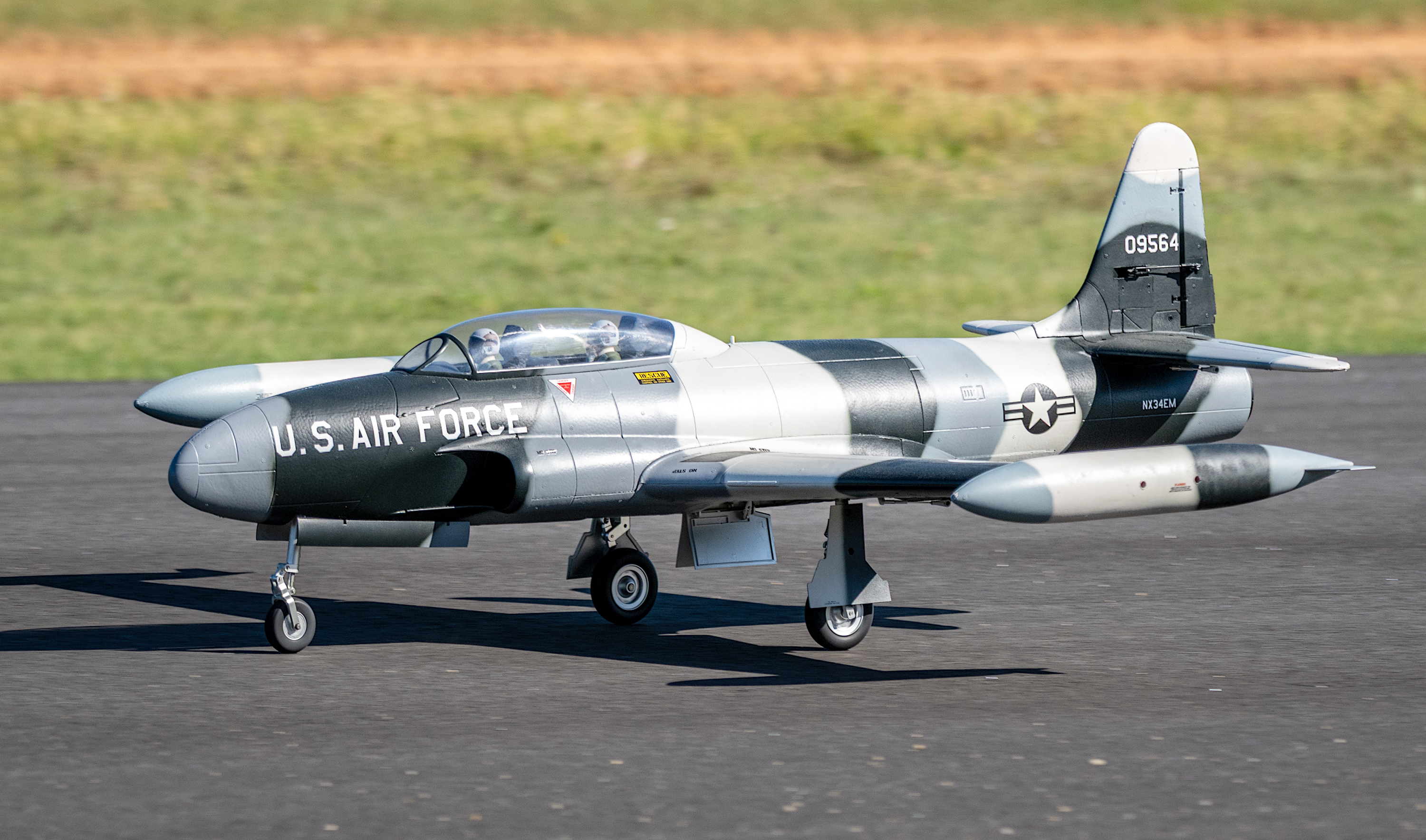
Doug Imes, of Greer, South Carolina, arrived at Ace of Aces with a truly unique aircraft: a beautifully crafted Grumman Wildcat. Powered by a Saito 90 radial engine, the 91.5-inch-wingspan warbird weighed in at 36 pounds and drew plenty of attention both on the ground and in the air.
What made the Wildcat especially interesting was that Doug designed the airplane himself. Originally built in 1994, he recently updated and rebuilt the aircraft for the 2025 season. After designing and drawing the plans, he was approached about offering the plans commercially. While he had no interest in entering the plans business, he contacted well-known designer Jerry Bates, who eventually added the Wildcat to his line of kits. Today, modelers can still build Doug’s exact design from Jerry Bates Plans.
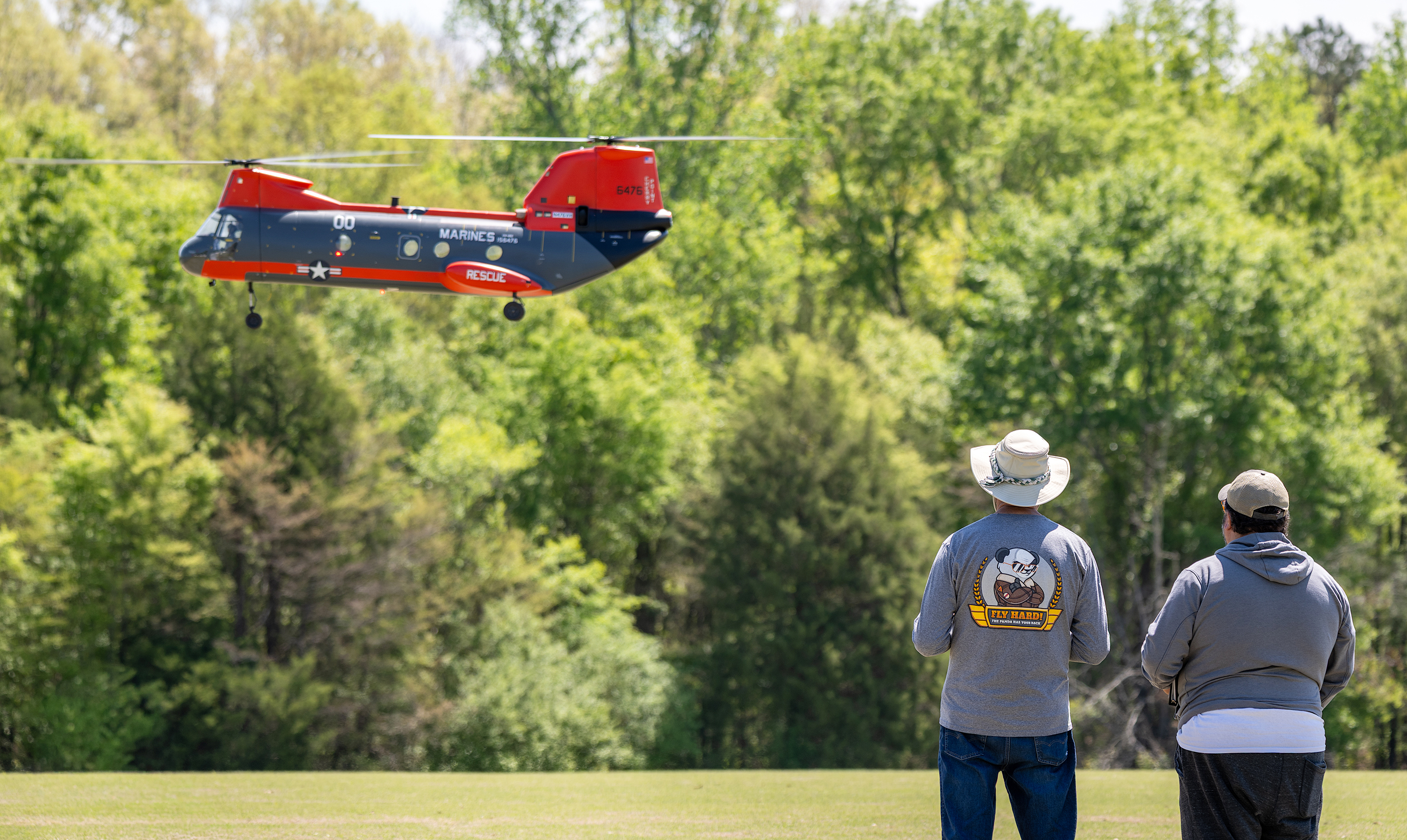
Patrick Ash, of Stuart, Florida, competed with his Messerschmitt Me 109. It is built from an older PCM/Meister Platinum Series fuselage combined with a modified Meister Scale wing. Patrick made several changes to improve the aircraft’s scale accuracy, including modifying the wing dihedral, relocating the landing gear mounting plates to a more-scale position, and adding functional flaps. Powered by a Desert Aircraft DA-85 engine, the airplane performed beautifully throughout the event.
Rather than choosing a traditional German military scheme, Patrick opted for a much more unique Swiss red-and-white paint scheme that stood out immediately on the flightline. He is also a sponsored Futaba pilot; it was great seeing him represent both the hobby and his sponsors so well during the event. He took home the award for High Static Team.
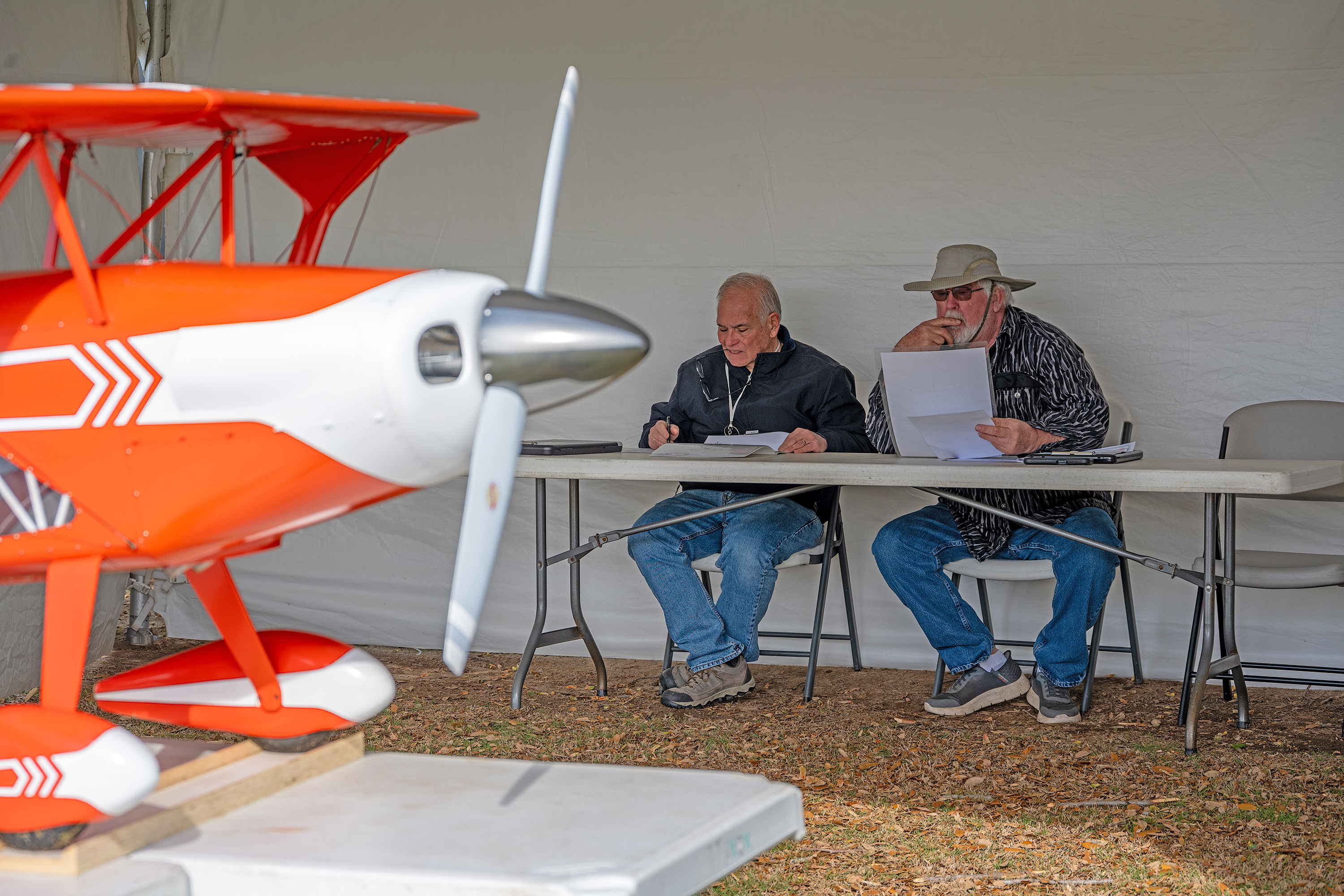
Another standout aircraft at Ace of Aces was Warren Farmer’s impressive Northrop F-89 Scorpion. With a wingspan of 108 inches and powered by twin KingTech K-85 turbines, the sleek jet looked incredibly realistic in the air. The model itself originated from an older Airworld kit from Germany and featured several impressive details, including retracts from Electron Retracts and a canopy that opened and closed using a sail winch servo system.
Warren’s aviation roots go back many years, beginning with Control Line flying as a child. His first kit aircraft was a Sig Manufacturing Hummer in approximately 2004 while he was in high school, and throughout the past 10 years, he has become heavily involved in large-scale competition aircraft and Scale building. Warren took home third place in the Pro Jet class.
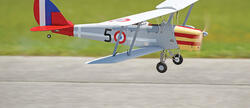
Few aircraft captured the classic beauty of aviation quite like the Royal Aircraft Factory S.E.5a that was entered in Team Scale by Ronnie Lambert and builder Jim Soucek. The stunning WW I biplane was built from a Glen Torrence 1/3-scale kit and powered by a Valach 120 inline engine swinging a massive 30 x 14 propeller. The project took nearly two years to complete and quickly became one of the most admired aircraft at the event.
Jim, who has been building for roughly 40 years, jokingly claimed that he “never built the airplane for Scale competition.” Looking at the finished aircraft, however, it was hard not to laugh at that statement because the airplane was beautiful in every respect.
Ronnie, who has also been flying for approximately 40 years, was selected by Jim to fly the aircraft in competition. Together, the pair made an excellent Team Scale combination and brought one of the most elegant aircraft of the event to life in the sky over Triple Tree. Jim took home the Pilot’s Choice award and Best WW I award.
The model that took home the Best Static and Best Biplane awards was Tom Lowrie’s 47%, one-of-a-kind Super Starduster SS101. With a wingspan of 107 inches and a length of 98 inches, the 100% scratch-built Starduster is powered by a DLE-170 twin engine with K&S canisters. The propeller is a carbon-fiber Falcon 30 x 13 three-blade, and the covering is Superlite 104 fabric with Poly-Tone paint to match the full-scale aircraft.
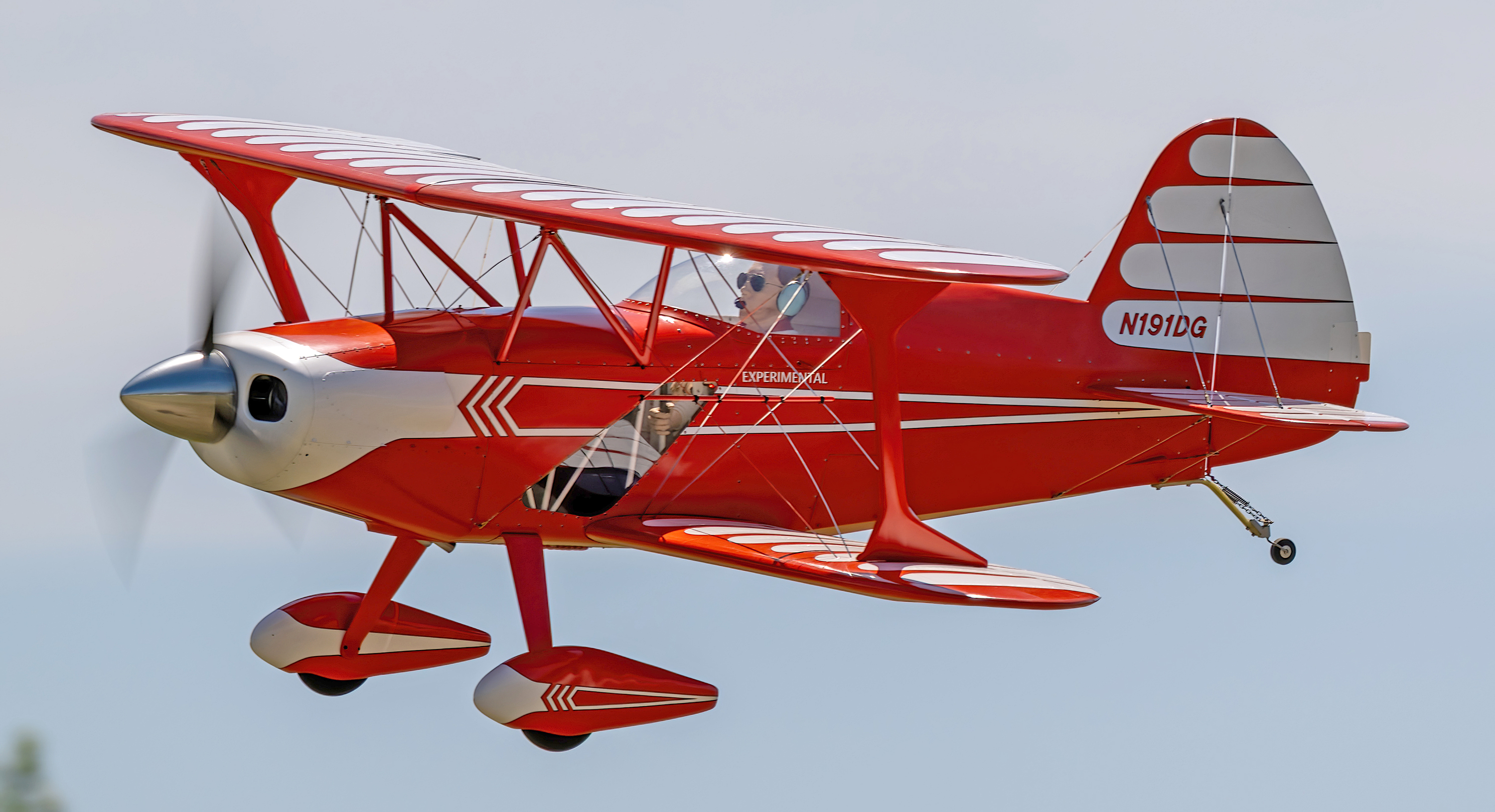
All of the manufacturing of the parts and components was completed by Tom. The laser-cutting of the wood was done in his shop, right down to the making of the 47% full-body pilot of Mark McKibben, the full-scale airplane’s owner. Tom had the chance to help rebuild the full-scale Starduster when it came into Mark’s shop in a box truck as parts.
Conclusion
As the final flights concluded and pilots slowly began packing airplanes, trailers, and motorhomes for the long trips home, it became clear that the inaugural Ace of Aces Invitational had been far more than simply another competition. It had become a gathering of friends, craftsmen, pilots, and aviation enthusiasts who all shared the same passion for Scale aviation and the people within it.
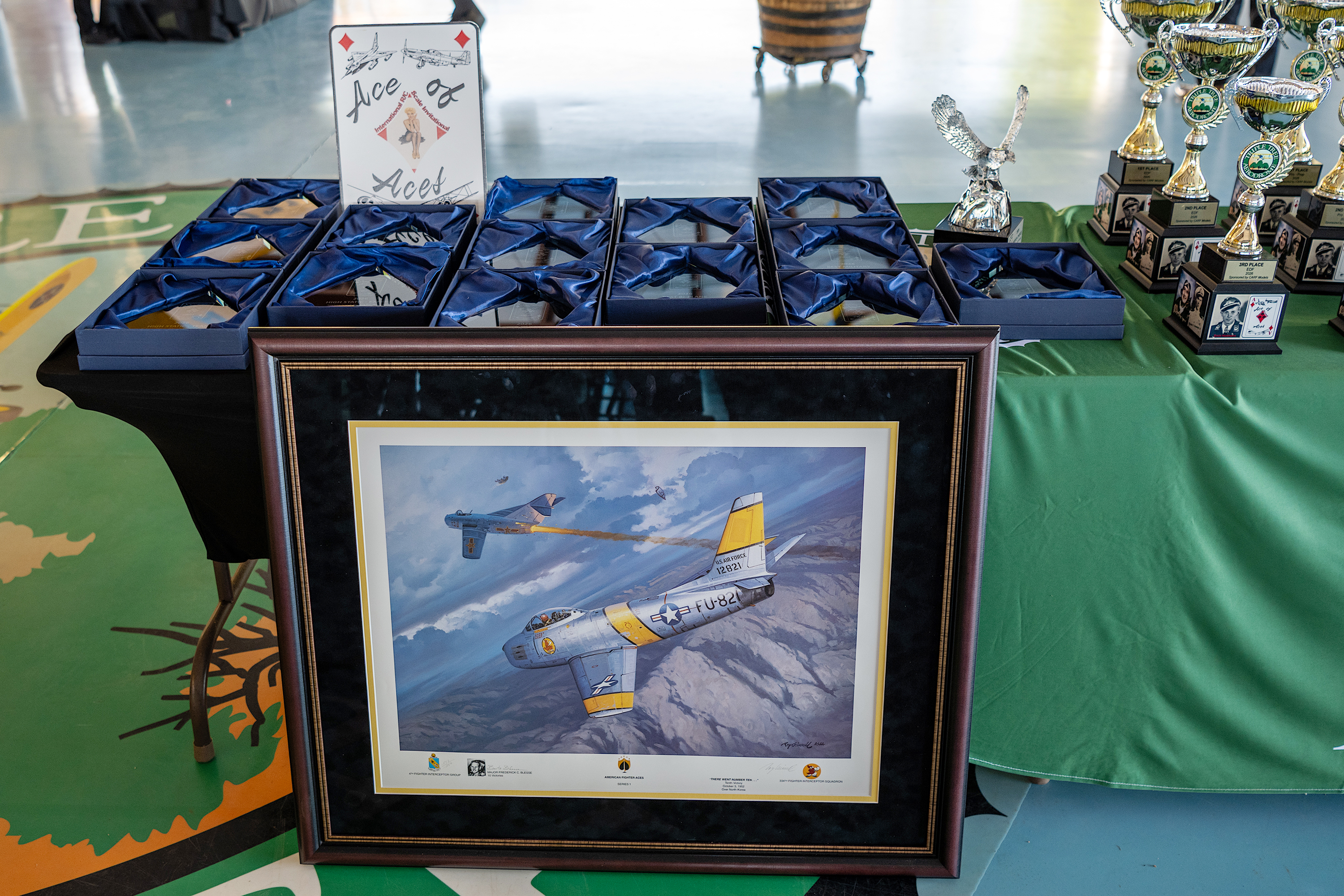
Throughout the week, the atmosphere at Triple Tree Aerodrome remained positive, welcoming, and filled with the kind of camaraderie that has made events such as this so special for generations. From the incredible aircraft and talented pilots to the volunteers and organizers who worked tirelessly behind the scenes, Ace of Aces proved that the spirit of high-level Scale competition is alive and well.
The first Ace of Aces Invitational was a tremendous success, and if this inaugural event was any indication of the future, there is little doubt that it will continue growing into one of the premier Scale competitions in the country for years to come. For many of us, it already feels like the beginning of a brand-new tradition.
The dates for next year’s event will be April 7-11; be sure to visit the Ace of Aces RC Scale Invitational website for updates.
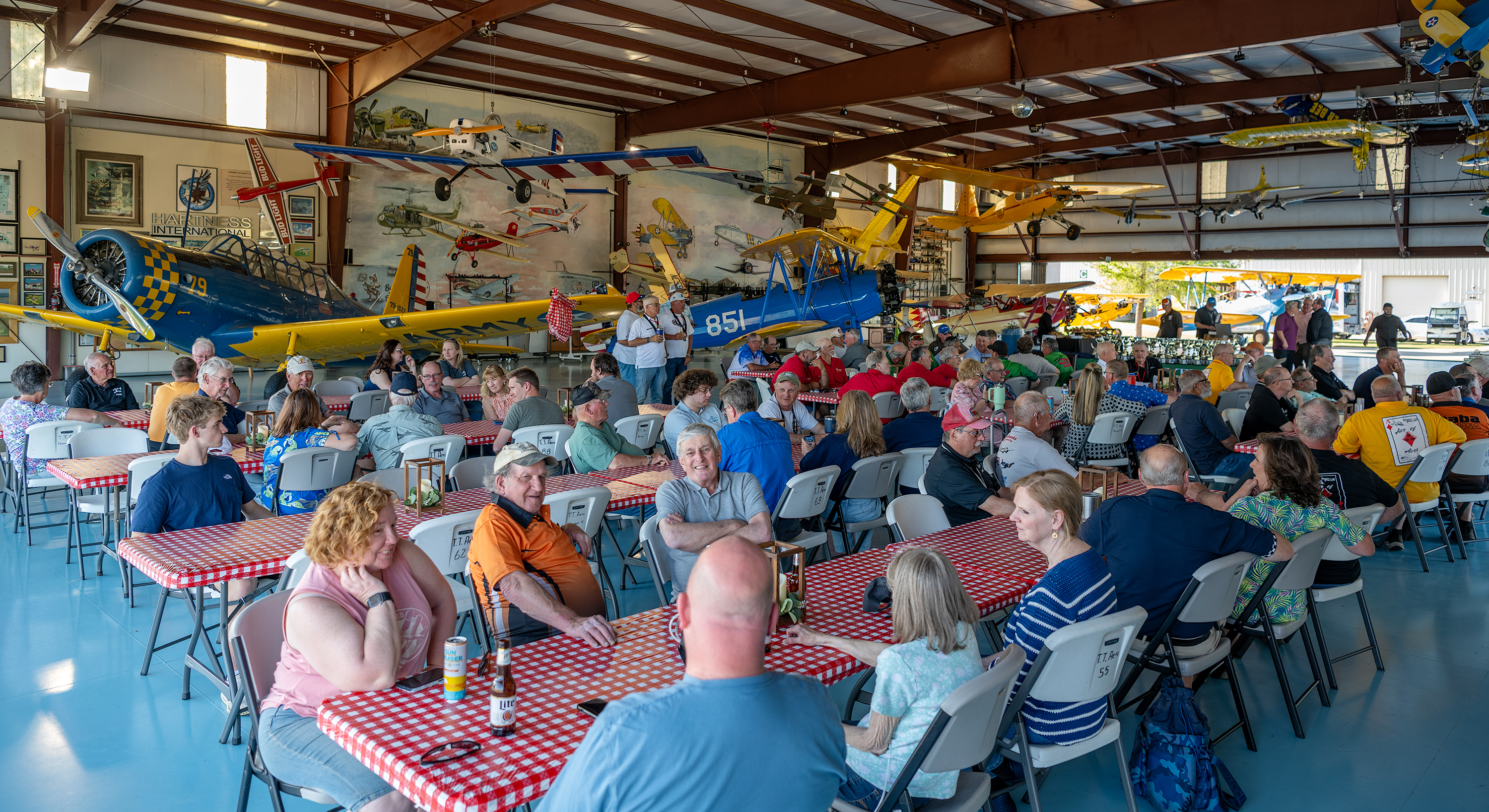
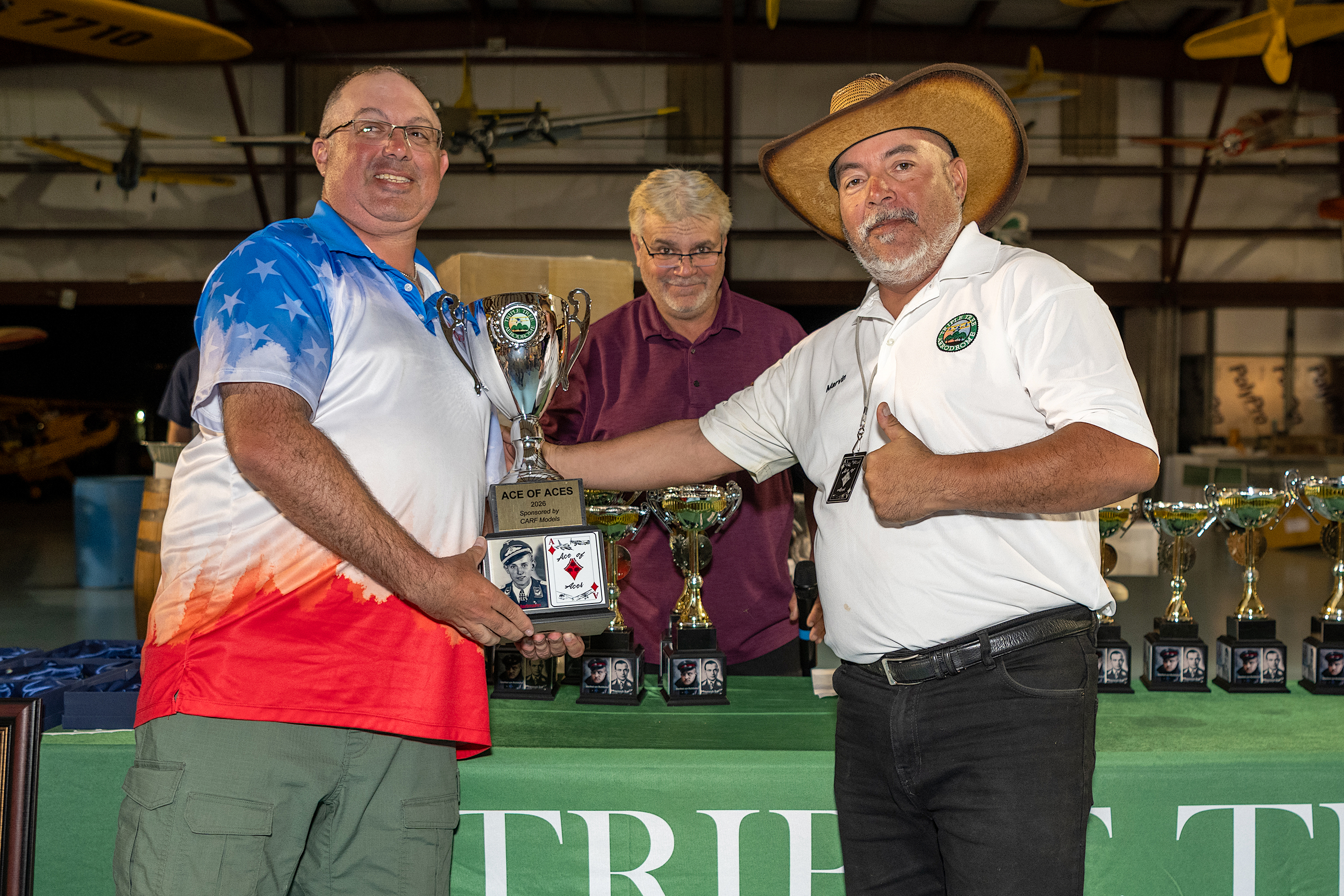
The Ace of Aces RC Scale Invitational could not have taken place without the help of the following sponsors:
AeroPanda
Banana Hobby
bavarianDEMON
BVM Jets
Boomerang RC Jets
CARF-Models
Cindy Wartman
David Hart/capturedfromthehart.com
Futaba
Horizon Hobby
JETI
Meister Scale
Model Airplane News
My Pal Sal
National Association of Scale Aeromodelers (NASA)
Pendergrass Plumbing
Precision Cut Kits
Skyrift
Solo Props
Sullivan Products
Tom Lowrie





Comments
Add new comment